With the large-scale upgrading of urban rain and sewage diversion systems worldwide, the market demand for Single and Double-Wall Corrugated Pipe Equipment has grown rapidly, and lightweight HDPE corrugated pipes have replaced traditional concrete and cast iron pipelines as the first choice for municipal drainage projects. Civil engineering procurement data shows that HDPE double-wall corrugated pipes account for 42% of the global drainage pipe market share, forcing machinery manufacturers to develop flexible fast-switch extrusion lines to meet diversified production needs.
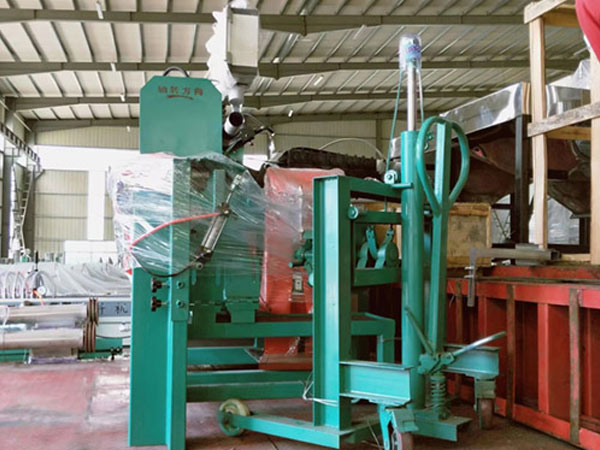
The traditional corrugated pipe forming unit can only produce a single specification product, and it takes 3–4 hours to disassemble and replace the mold for conversion. The new production line is equipped with quick-release corrugator mold block, which can switch between small-caliber single-wall cable conduits and large-caliber double-wall drainage pipes within 30 minutes, greatly improving equipment utilization. The unit supports three raw materials: HDPE, PP and PVC, and the gradient vacuum cooling section ensures high ring stiffness and smooth inner wall of finished pipes to avoid drainage blockage.
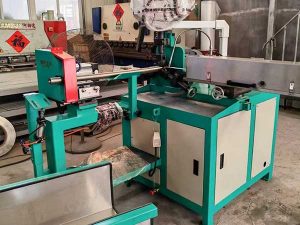
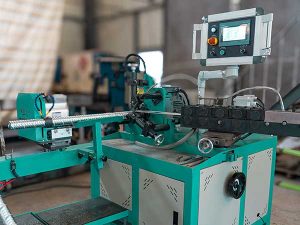
The post-processing link is matched with a special double-wall corrugated pipe punching machine, which performs micron-level precision drilling on the pipe wall without deformation, and the perforated pipes produced are widely used in farmland infiltration irrigation and underground seepage collection projects. Compared with solid-wall plastic pipes of the same outer diameter, double-wall corrugated products save nearly 50% of raw materials, significantly reducing the construction cost of municipal engineering. As a key plastic pipe extrusion line, the whole set of equipment is exported in large quantities to emerging markets such as Southeast Asia and Africa.
Local governments in these regions prefer anti-corrosion plastic pipelines to reduce long-term maintenance costs, because metal and concrete pipes are easy to age and leak under soil acid-base erosion. Equipment R&D teams continue to expand the maximum production pipe diameter to 1800mm to meet the construction demand of urban flood control main pipelines. The built-in online wall thickness sensor ensures stable product size, reduces the rejection rate, and further improves the comprehensive production efficiency of corrugated pipe processing factories around the world.