The global power grid reconstruction and rail transit infrastructure construction boom pushes the order volume of MPP Power Pipe Equipment to a new peak, and modified polypropylene MPP cable protection pipes have become the preferred underground conduit for urban power networks, municipal communication pipelines and rail transit power laying engineering. Power engineering procurement data shows that MPP pipes have replaced traditional HDPE and PVC power pipes in more than 60% of new underground power transmission projects, relying on superior heat resistance and pressure-bearing mechanical properties.
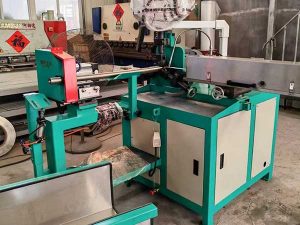
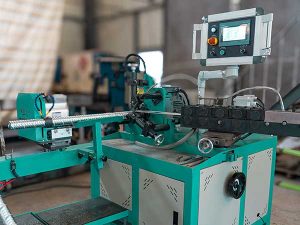
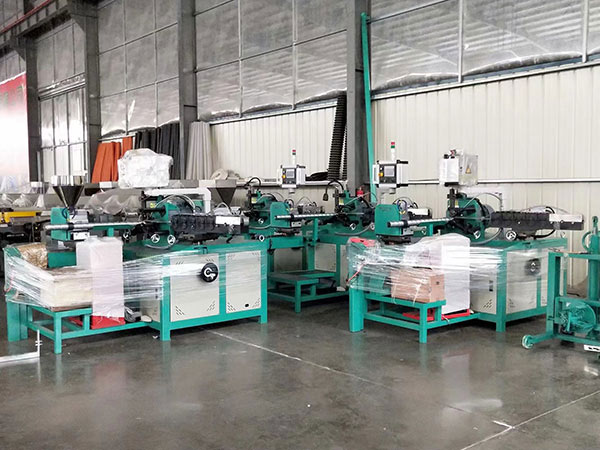
The automatic MPP pipe extrusion line takes modified polypropylene resin as raw material, and completes the whole technological process including raw material pretreatment, melting plasticization, spiral mold extrusion, vacuum sizing, cooling traction and fixed-length cutting, producing two mainstream products: excavation type ordinary pipes and non-excavation jacking pipes. The slotted single-screw extruder optimizes the plasticization effect of modified PP materials, ensuring that the finished MPP power pipe can maintain stable mechanical performance under long-term working temperature of -5℃ to 70℃.
The complete set of equipment is equipped with multi-jaw crawler tractors, optional planetary chip-free cutting machines and automatic pipe stacking racks, and the PLC intelligent system realizes real-time wall thickness monitoring. Compared with HDPE power pipes, MPP finished ducts have higher tensile and compressive strength, excellent electrical insulation and low friction coefficient, supporting hot-melt butt joint construction to simplify on-site pipeline laying procedures. The mold can be quickly replaced to produce inner spiral lining pipes and foam core composite power pipes, enriching the product categories of cable conduit manufacturers and expanding market competitiveness.
Rail transit and new energy power station construction projects in emerging markets bring a large number of export orders, because local infrastructure standards require underground cable pipelines to have high temperature resistance. The upgraded MPP extrusion line is equipped with energy-saving frequency conversion motors and circulating water cooling systems, reducing the energy consumption per meter of pipe production by 17%. Industry institutions predict that the market demand for MPP power pipe production equipment will continue to grow until 2030, as countries accelerate the transformation of underground cable networks to replace overhead lines, improving the safety and stability of urban power supply.